In the evolving landscape of geotechnical exploration, understanding the various types of Rock Core Drills is vital for buyers worldwide. Dr. Emily Carter, an expert in drilling technologies, emphasizes, "Choosing the right Rock Core Drill can significantly impact project efficiency." This statement underscores the importance of selecting proper equipment in drilling operations.
Rock Core Drills come in multiple types, each tailored for specific geological conditions. Buyers must navigate options such as diamond core drills, wireline systems, and more. Brand reputation and user reviews play crucial roles in making informed decisions. However, many buyers still face challenges in understanding their exact needs.
The complexities of the Rock Core Drill market can be daunting. Misalignments in equipment selection often lead to project delays or higher costs. This reality prompts potential buyers to reflect on their requirements and seek expert advice. A well-informed decision can ensure operational success and long-term reliability in drilling endeavors.
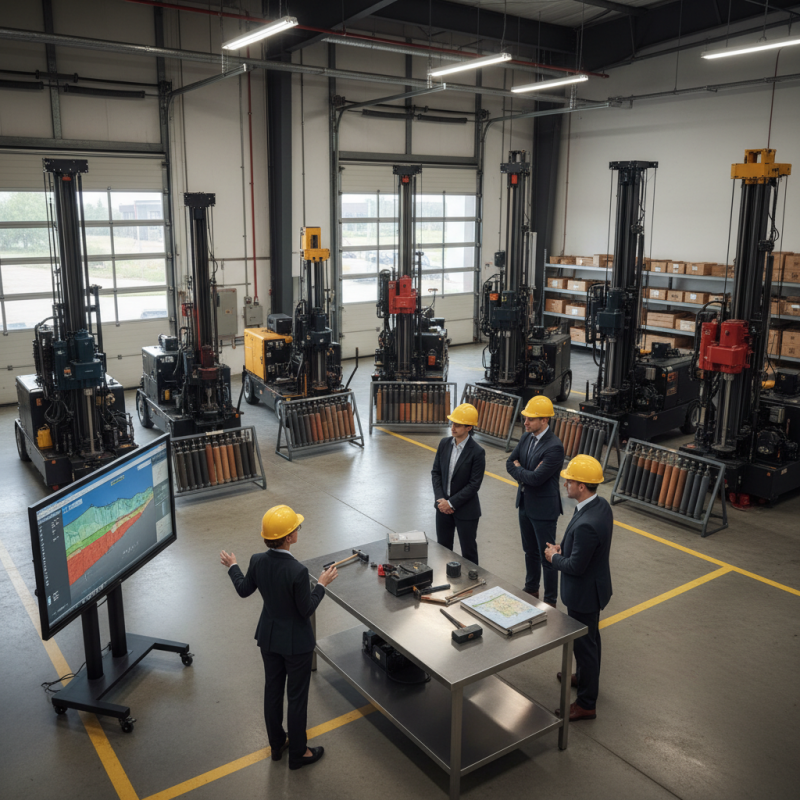
Top 10 Rock Core Drill Types for Global Buyers
When selecting rock core drills, understanding the various types is crucial for buyers worldwide. In the drilling industry, diamond core drills stand out for their effectiveness in hard rock applications. According to a recent industry report, these drills can achieve penetration rates up to 30% faster than traditional options. This efficiency is critical in mining and geotechnical investigations.
Another type worth considering is the wireline coring system. This method allows for the retrieval of long core samples without needing to pull the drill string. Industry data indicates that wireline systems can improve sample recovery rates, making them a preferred choice in various projects. Different countries have adopted unique preferences based on their geological conditions, underscoring the need for tailored solutions.
Moreover, rotary drills are widely used due to their versatility. They can drill through various materials, making them a staple in construction. Their adaptability is essential when dealing with unexpected geological formations. However, a drawback is that they may not deliver the same level of precision as other methods. Identifying the right equipment for specific tasks remains a challenge in the industry, requiring careful evaluation from buyers.
Overview of Rock Core Drill Types and Their Applications
When exploring the world of rock core drills, understanding the types and their applications is crucial. These tools are essential in mineral exploration, geological surveys, and construction projects. Different types cater to various rock formations and depths. For example, diamond core drills excel in hard rock formations, while wireline drills offer efficient core retrieval.
The choice of drill type influences project efficiency. Consideration must be given to factors like rock hardness and depth requirements. Some drills are suitable for shallow applications, while others can reach significant depths. There are rotary drills that provide continuous core samples, making them invaluable for detailed geological analysis. Some individuals may find it challenging to choose the right drill, leading to project delays.
Regular training on equipment use is vital for safety and efficiency. Even experienced operators can overlook maintenance, resulting in costly repairs. Understanding the nuances of each drill type can prevent mishaps. Ultimately, selecting the right drill type ensures successful outcomes and reduces operational risks in drilling projects.
Comparison of Performance Metrics: Speed, Durability, and Efficiency
When selecting the right rock core drill, performance metrics matter significantly. Speed, durability, and efficiency are key factors for buyers. Recent studies indicate that high-speed drills can improve output by up to 30%. Drills with advanced cooling systems tend to operate at lower temperatures. This enhances tool life, increasing durability. Reports show well-rated drill bits can last 30% longer under similar conditions.
Efficiency is not just about speed. The rate of material removal also plays a crucial role. Efficient drills minimize energy consumption while maximizing the core recovery ratio. Research has found that efficiency in drilling operations can reduce costs by up to 20%. Buyers should also consider drill weight and size. Heavier models might provide stability but can slow down the process.
Buyers often overlook maintenance needs. Regular upkeep can significantly extend a drill's lifespan. Some studies reveal that neglected equipment can lead to performance drops of up to 40%. Evaluating a drill’s performance is not just about the initial buy. Long-term costs related to repairs and replacements should also be factored in. Each metric offers insight into how well a drill will perform in various conditions.
Key Features to Consider When Selecting a Rock Core Drill
When choosing a rock core drill, several key features must be considered. The drill type is crucial. Some systems excel at penetrating soft rock, while others are designed for harder materials. The bit diameter impacts sample size and overall performance. A larger diameter often provides better core recovery but can be heavier and harder to manage.
Another feature is the power source. Electric drills may offer less flexibility but provide consistent power. On the other hand, pneumatic drills are more portable but depend on air supply availability. Durability is vital as well; drills should withstand tough conditions. High-quality materials help prevent wear and extend the drill's lifespan.
Ease of maintenance cannot be overlooked. Some models require specialized tools for servicing, while others promote user-friendly designs. Operators should assess their skill levels and the environment. This will influence their choice of drill. These considerations may appear straightforward, yet a common mistake is overlooking the specific geological conditions. Reflecting on these aspects can lead to better decision-making.
Industry Insights: Market Trends and Demand for Core Drilling Equipment
The global demand for core drilling equipment is rapidly evolving. As industries like mining and construction grow, the variety of rock core drill types expands. Market trends indicate increased interest in both efficiency and precision. Buyers now seek drills that meet their specific geological and environmental conditions.
When selecting core drills, consider the type of rock formations you will encounter. Harder rocks require different drill types than softer materials. It is crucial to research the technological specifications of each drill. For instance, diamond-core drills are often favored for their durability in tough conditions. However, some models may have limitations in term of speed or cost-effectiveness.
**Tip:** Don’t overlook training for your team. Proper handling of equipment can dramatically improve outcomes. Operators must understand the nuances involved in various drilling methods. Regular maintenance checks can also extend the lifespan of your drills. Investing in knowledge and care pays off in the long run.
Cost Analysis: Budgeting for Purchase and Maintenance of Drills
When considering rock core drills, cost is a crucial factor. The initial purchase price varies significantly. Basic models can range from $5,000 to $20,000. High-end options might exceed $100,000. According to a recent industry report, maintenance costs can often reach 10-15% of the equipment's initial cost annually.
Operating expenses include fuel, wear and tear of drill bits, and labor. Less experienced operators may lead to higher mistakes, potentially increasing costs over time. Regular maintenance not only extends the drill's lifespan but also ensures efficiency. Data suggests that unmaintained drills can lose up to 20% of their performance within months.
Buyers should consider these factors carefully. Investing in a more expensive, reliable drill can prove cost-effective in the long run. The decision should also weigh potential downtime. Analyses show that equipment failure leads to project delays, costing thousands in lost productivity. Understanding the full cost of ownership is essential for maximizing investment in rock core drilling equipment.
FAQS
: There are several types, including diamond core drills and wireline drills. Each serves different rock formations.
Harder rocks require specialized drills like diamond core drills. The right choice ensures efficiency in drilling.
Basic models range from $5,000 to $20,000. High-end options can exceed $100,000.
Maintenance can reach 10-15% of the initial purchase price annually. Regular upkeep is essential.
Expenses include fuel, drill bit wear, and labor costs. Mistakes can lead to higher operational costs.
Unmaintained drills can lose up to 20% performance in months. This affects project timelines and efficiency.
Regular training enhances safety and efficiency. Experienced operators may still overlook key maintenance tasks.
Choosing the wrong drill can lead to project delays. Efficiency may suffer, increasing operational risks.
More reliable drills often lead to fewer breakdowns and less downtime.
Buyers should evaluate purchase price, maintenance, and potential productivity losses from equipment failures.
Conclusion
The article "Top 10 Rock Core Drill Types for Global Buyers" provides a comprehensive overview of various rock core drill types and their specific applications in the field. It discusses performance metrics such as speed, durability, and efficiency, which are crucial for selecting the right drill. Additionally, the article highlights key features to consider when choosing a rock core drill, ensuring that buyers make informed decisions based on their specific needs.
Furthermore, the article delves into industry insights, discussing current market trends and the rising demand for core drilling equipment. A cost analysis section is included, guiding potential buyers on budgeting for both the acquisition and maintenance of rock core drills. This detailed examination helps global buyers navigate the complexities of the core drilling market effectively.

 KAT DRILLING