In today's dynamic market, selecting the right Drill Rock Tools can significantly impact project efficiency. Global buyers face numerous options, making informed choices essential. This article explores top Drill Rock Tools that cater to diverse needs and environments, ensuring reliability and performance.
Quality is vital when choosing Drill Rock Tools. Buyers must assess various factors, including material, durability, and application type. Often, a tool's reputation stems from its proven results in real-world conditions. However, some options may appear flawless but falter under pressure. Recognizing potential weaknesses in tool performance is crucial.
Additionally, navigating the global market presents challenges. Language barriers and differing standards can complicate purchases. Buyers must research suppliers effectively. Understanding local needs while evaluating international offerings is vital. The right Drill Rock Tools can enhance productivity, but hasty decisions may lead to costly mistakes. Responsible purchasing requires time and thoughtful analysis.
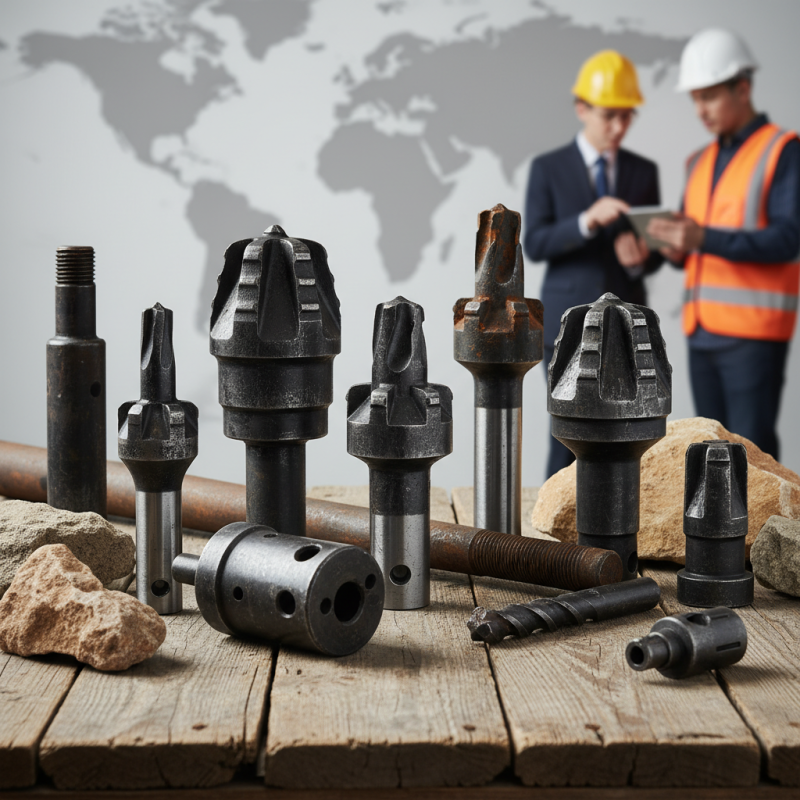
When selecting drill rock tools, buyers should focus on several key features. Durability is paramount. Tools must withstand harsh environments and heavy usage. High-quality materials, such as tungsten carbide, enhance longevity and performance. Consider the tool's resistance to wear and heat, which can significantly affect operation efficiency over time.
Another essential feature is versatility. The best tools adapt to different rock types. This capability reduces downtime and improves productivity. Look for designs that facilitate easy customization. Some tools allow for interchangeable bits, catering to various drilling needs.
Finally, user safety cannot be overlooked. Tools should have features that minimize risks, such as slip-resistant grips or safety guards. Buyers must reflect on their specific needs. Understanding the intended application helps in selecting the right equipment. Balancing quality with cost is an ongoing challenge but is crucial for long-term success.
| Tool Type | Material | Drilling Diameter (mm) | Weight (kg) | Key Feature |
|---|---|---|---|---|
| Tricone Bit | Tungsten Carbide | 127 - 305 | 15 - 50 | Multi-directional drilling |
| PDC Bit | Polycrystalline Diamond | 95 - 152 | 10 - 20 | High penetration rate |
| Diamond Core Bit | Diamond Impregnated | 30 - 100 | 5 - 12 | Core recovery capability |
| DTH Hammer | Steel | 76 - 152 | 10 - 25 | Efficient energy transfer |
| Auger Bit | High-carbon Steel | 100 - 250 | 8 - 18 | Soil drilling efficiency |
When selecting drill rock tools, industry professionals often consider several popular types that meet specific needs. One key category is diamond drill bits. These tools are renowned for their durability and precision. According to industry reports, diamond bits can achieve penetration rates up to 50% faster than traditional carbide options. This efficiency is crucial in high-stakes drilling projects.
Another important type is the rotary drill bit. Rotary bits are versatile and commonly used across various applications. They are effective for drilling hard rock formations. Reports indicate that rotary bits can last significantly longer, reducing downtime during projects. In a survey of industry experts, over 70% indicated that using quality rotary bits led to a noticeable increase in overall efficiency.
Lastly, the use of tricone drill bits is gaining popularity. These tools are well-suited for challenging geological conditions and multi-directional drilling. Despite their effectiveness, some users note that they require frequent maintenance checks, which can be a downside. The functionality of tricone bits can also vary widely based on the specific geological environment. Understanding these nuances is essential for optimizing performance in any drilling operation.
When exploring the global market for drill rock tools, understanding the key manufacturers is crucial. These leaders shape the industry's standards and innovations. They offer a variety of products, including bits, reamers, and hammers, which are essential in mining and construction. Their expertise is evident in the design of tools that enhance efficiency while ensuring safety.
Many manufacturers are pushing for better quality and sustainability. However, the inconsistency in production methods raises concerns about reliability. Buyers need to carefully assess the track records of these companies. Deep dives into their manufacturing processes can reveal valuable insights. Not all suppliers maintain the same ethical practices or quality control measures.
Innovation in drill rock tools often focuses on durability and cost-effectiveness. Some manufacturers excel in specific regions while struggling in others. This geographical advantage can impact availability and pricing. Understanding these dynamics can help buyers make informed decisions. Networking with industry experts and attending trade shows can provide additional context about leading manufacturers.
When considering drill rock tools, cost is a crucial factor for global buyers. Recent industry studies indicate that material choices significantly influence pricing. For example, high-grade alloy steels increase durability but also costs. These materials can add 20% or more to the overall tool price compared to standard steel options. Buyers must balance quality with budget constraints, making informed decisions essential.
Transport costs also play a vital role. A report from the International Association of Drilling Contractors highlights that shipping expenses can account for up to 15% of the total procurement costs. This is especially pertinent for buyers sourcing tools from distant manufacturers. Analysing shipping logistics can yield surprising savings.
Additionally, maintenance costs should not be overlooked. With proper care, certain drill tools can last significantly longer. A study noted that well-maintained tools can reduce replacement frequency by 30%. This extends the tool’s lifecycle and mitigates additional costs. Thoughtful investment and continuous evaluation of these factors propel effective purchasing strategies.
The future of drill rock tool technology is evolving rapidly. Advanced materials like synthetic diamond composites are gaining traction. These materials enhance durability and efficiency in drilling operations. Companies are experimenting with smarter designs that incorporate real-time data collection. This data helps improve performance and reduces downtime.
Tips: Consider the weight of your tools. Lighter tools can enhance maneuverability but may sacrifice strength. Balance is key.
Automation is another trend shaping the industry. Automated systems enable deeper and more precise drilling. Operators need to adapt to these new technologies. It's essential to train personnel properly to maximize effectiveness. Failure to do so may result in operational setbacks.
Tips: Stay updated on emerging trends. Attend relevant workshops and webinars. Continuous learning can give you an edge in a competitive market.
Sustainability is becoming a priority for many manufacturers. They are exploring eco-friendly materials and production methods. This shift may raise questions about performance versus environmental impact. Finding the right balance is crucial. Drill rock tool technology is experiencing significant transformation. Understanding these future trends is vital for informed purchasing decisions.
: Diamond drill bits are known for their durability and precision. They can penetrate materials faster than traditional options.
Rotary drill bits are versatile and effective for hard rock drilling. They can last longer, reducing project downtime.
Tricone drill bits are suitable for challenging geologies and multi-directional drilling. They need frequent maintenance checks.
Buyers should assess track records and production methods of manufacturers. Reliability and ethical practices vary widely.
Advanced materials and real-time data collection are improving drill performance and efficiency. Smart designs are becoming common.
Proper training ensures effective use of automation in drilling. Lack of training may cause operational issues.
Many manufacturers are focusing on eco-friendly materials and production methods. Balancing performance and environmental impact is challenging.
Participating in workshops and webinars can help professionals stay informed about emerging trends in the industry.
The weight of tools affects maneuverability and strength. Striking a balance is crucial for optimal performance.
Geographical advantages of manufacturers can influence the availability and pricing of drill tools in different regions.
When considering the purchase of Drill Rock Tools, global buyers should focus on several key features essential for optimal performance. These include durability, compatibility with various drilling systems, and efficiency in rock penetration. Furthermore, it's important to be aware of the popular types of Drill Rock Tools available in the industry, which range from rotary drill bits to core bits, each designed for specific applications.
Buyers should also take into account cost considerations, including initial investment and long-term maintenance expenses, to ensure cost-effectiveness. As the industry evolves, future trends in Drill Rock Tool technology emphasize the development of smarter tools that integrate advanced materials and digital monitoring systems, aiming to enhance productivity and safety in drilling operations.
KAT DRILLING