Choosing the right Pneumatic Rock Drill can significantly influence the efficiency of your projects. With various models available, it’s essential to assess your specific needs. Each drill has unique features tailored for different tasks, such as rock excavation, road construction, or mining activities.
Consider the power source, drill weight, and intended use. A high power-to-weight ratio can enhance maneuverability. However, a heavier drill may offer more stability and durability. You might find yourself facing some trade-offs as you weigh these factors.
User reviews and expert opinions can provide valuable insights. They often highlight features that manufacturers may overlook. Researching these angles can help you make a more informed choice. Remember, not all Pneumatic Rock Drills are created equal; some may excel in certain environments but falter in others.
Understanding Pneumatic Rock Drills: An Overview of Functionality
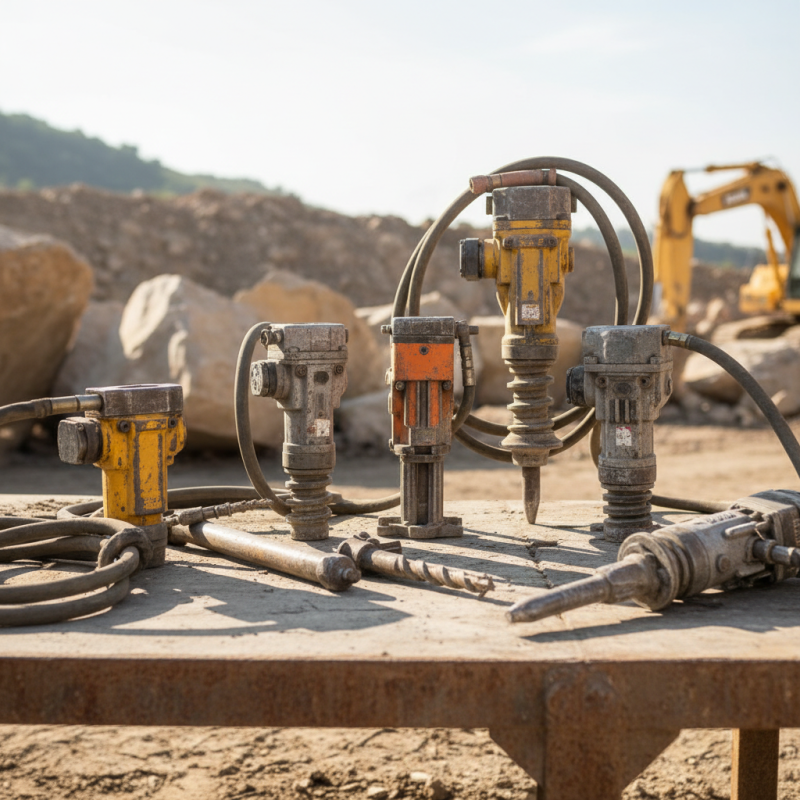
Pneumatic rock drills are essential tools in construction and mining. They excel at breaking rock and drilling into hard surfaces. Understanding their functionality helps you select the right model for your projects.
These drills operate using compressed air. As air flows through the tool, it powers a piston that strikes the drill bit. This action creates rapid, powerful impacts, making them effective for heavy-duty tasks. Operators often appreciate the combination of speed and efficiency. However, noise and vibration are common issues that can affect performance and user comfort. Maintaining a balance between power and user experience is crucial.
When considering a pneumatic rock drill, focus on weight and portability. Lighter models are easier to handle, especially for extended tasks. Additionally, check the air consumption rate. Efficient models require less air, reducing operational costs. End-users often overlook these factors, leading to less satisfactory outcomes. Finding the right balance between power and user ergonomics is always worth revisiting.
Key Factors to Consider When Selecting a Pneumatic Rock Drill
When selecting a pneumatic rock drill, several critical factors come into play. The weight of the drill significantly affects user fatigue. A lightweight model may reduce strain during extended use. However, lighter drills might lack the power needed for tough materials. It's essential to find a balance between weight and performance.
The drill’s power and air consumption are equally important. Higher power enables faster drilling through hard rock. Yet, it often leads to increased air consumption. If your air compressor cannot keep up, you may face operational delays. Always check the specifications of both the drill and the compressor before making your choice.
Lastly, consider the durability and maintenance requirements of the drill. A robust design ensures longevity, while easy maintenance can save time and costs. It's worth investing in a model with accessible parts. Ensure parts are not overly complicated to replace. These factors will impact efficiency and productivity in the long run.
Comparing Rock Drill Models: Power, Weight, and Noise Level Statistics
When selecting the right pneumatic rock drill, comparing various models can illuminate key features.
Power is a primary factor.
Drills with higher horsepower deliver more force, aiding in harder rock types.
On the flip side, excessive power might lead to operator fatigue. Striking a balance is crucial, particularly for extensive projects.
Weight plays a significant role, too.
Lighter models reduce the strain on the user. However, they may sacrifice some drilling efficiency.
It’s essential to evaluate the weight against the expected drilling hours. For longer tasks,
comfort is paramount.
Uncomfortable drills can lead to poor performance or even injuries.
Noise level is often overlooked but vital. Prolonged exposure can cause hearing damage.
Models with lower decibel ratings are preferable, especially for underground work.
Still, finding the quietest option might mean compromising on power. Industrial regulations should be in mind when assessing noise levels.
Each model presents trade-offs. Making an informed decision requires careful reflection on specific project needs.
Safety Standards and Regulations for Pneumatic Rock Drills in Industry
Pneumatic rock drills are essential tools in construction and mining.
Safety standards for these drills are critical to ensuring worker protection.
The Occupational Safety and Health Administration (OSHA) outlines regulations minimizing hazards related to noise and vibration.
Excessive exposure to these elements can lead to serious health issues.
According to the CDC, nearly 22 million workers are exposed to hazardous noise each year, making compliance with safety standards vital.
Moreover, drills must have proper guarding mechanisms and noise-dampening features.
The American National Standards Institute (ANSI) provides guidelines for these tools. For instance, the maximum allowable sound exposure level is 90 decibels over an 8-hour workday.
However, many high-performance drills exceed this limit.
Operators should wear appropriate hearing protection to mitigate risks.
This direct approach can significantly lower incidents related to hearing loss.
Employers should prioritize routine inspections to comply with safety standards.
Over time, wear and tear can compromise a drill’s effectiveness and safety.
Records show that 30% of equipment failures are due to insufficient maintenance.
Understanding these dynamics helps improve workplace safety.
Training workers on operational standards is equally important.
These efforts foster a culture of safety and responsibility.
Maintenance Tips for Extending the Lifespan of Rock Drills
Proper maintenance of pneumatic rock drills is crucial for their longevity and performance. Regular inspection of components is essential. Look for signs of wear and damage. Check the hoses for leaks and replace them as necessary. Keeping debris away from the drill is also important. A clean machine operates efficiently. Additionally, lubricating moving parts reduces friction and wear. Use the correct type of lubricant for best results.
Training operators on proper handling is vital. They should understand the importance of not overusing the equipment. Overuse can lead to overheating and reduced efficiency. Scheduled maintenance checks can help catch issues early. It is wise to keep a maintenance log. Monitoring usage and service records reveals patterns. This can highlight potential problems before they become serious.
Dust and moisture can affect performance. Storing the drill in a dry place can prevent corrosion. Excessive dust can also clog filters. Regularly cleaning filters contributes to better airflow and performance. Encourage operators to report any irregular sounds during operation. These could indicate underlying issues. Taking proactive steps in maintenance can greatly extend the lifespan of your rock drill.
How to Choose the Best Pneumatic Rock Drill for Your Needs? - Maintenance Tips for Extending the Lifespan of Rock Drills
| Feature |
Importance |
Maintenance Tip |
| Weight |
Affects control and usability |
Regularly check for weight distribution adjustments |
| Air Pressure |
Impacts performance and efficiency |
Maintain optimal air pressure settings |
| Durability |
Longer lifespan and lower replacement costs |
Use proper storage to prevent damage |
| Bit Size |
Determines drilling depth and speed |
Clean bits regularly and replace worn ones |
| Ergonomics |
Reduces operator fatigue |
Choose a model with adjustable handles |
| Noise Level |
Health impact on operators |
Use noise-cancelling equipment when possible |
FAQS
: Safety standards protect workers from hazards like noise and vibration, which can cause serious health issues.
OSHA outlines regulations that minimize hazards related to noise and vibration exposure in the workplace.
Operators should note that the maximum allowable sound exposure is 90 decibels over an 8-hour workday.
Wearing appropriate hearing protection significantly lowers the risk of hearing loss from operating noisy drills.
Regular inspections for wear, damage, and leaks are vital to ensure the drill's safety and performance.
About 30% of equipment failures result from insufficient maintenance; proper upkeep is crucial for preventing issues.
Keeping debris away from drills ensures they operate efficiently and prevents unnecessary wear or damage.
Excessive dust can clog filters, and moisture can cause corrosion, affecting the drill's overall performance.
Training ensures operators understand the significance of not overusing drills, which can lead to overheating and inefficiency.
Operators should report irregular sounds immediately; these may indicate underlying mechanical issues needing attention.
Conclusion
Choosing the right Pneumatic Rock Drill involves understanding its functionality, key factors for selection, and maintenance practices. Pneumatic Rock Drills are essential tools for various construction and mining tasks, known for their efficiency in breaking tough materials. When selecting a drill, consider crucial aspects such as power, weight, and noise levels to ensure it meets the specific demands of your projects. Additionally, adherence to safety standards and regulations is vital to protect operators and maintain compliance within the industry.
Furthermore, maintaining your Pneumatic Rock Drill properly can significantly extend its lifespan and ensure optimal performance. Regular inspections, proper lubrication, and adherence to manufacturer guidelines are essential for keeping the drill in top condition. By focusing on these elements, you can make an informed decision that enhances productivity and safety on the job site.

 KAT DRILLING