How to Choose the Best Hand Held Rock Drills for Your Needs?

Time:2026-06-01 Author:Oliver
0%

Choosing the right Hand Held Rock Drills is crucial for efficiency and safety in construction and mining. According to the Global Construction Equipment Market Report, the demand for portable drilling tools, including hand-held options, has surged by over 15% in recent years. This growth highlights the importance of selecting quality equipment that meets specific project needs.

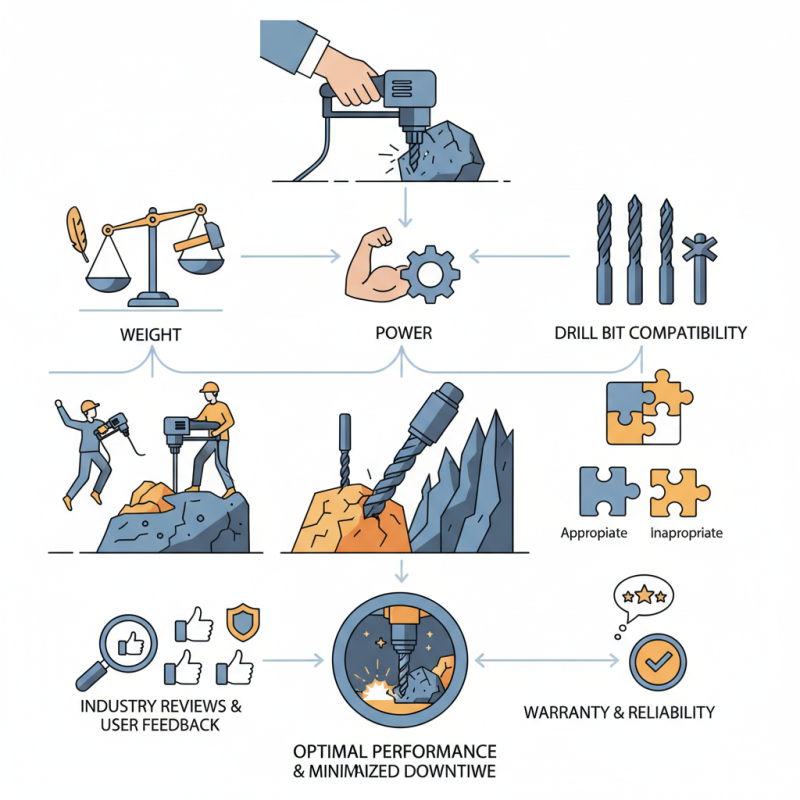
When evaluating various Hand Held Rock Drills, consider factors like weight, power, and drill bit compatibility. A lightweight model can enhance maneuverability, whereas a powerful drill can improve productivity on tougher rock formations. Not all drills are created equal. For instance, choosing an inappropriate drill may result in inefficiencies or even project delays.

Moreover, relying on industry reviews and user feedback can provide insights into the reliability of specific models. It's essential to compare brands and assess warranty offerings. Investing time in finding the best Hand Held Rock Drills is ultimately beneficial in minimizing downtime and ensuring optimal drilling performance.
How to Choose the Best Hand Held Rock Drills for Your Needs?

Understanding the Basics of Hand Held Rock Drills

When selecting a hand-held rock drill, it's essential to understand its basic components and functions. These tools are usually powered by compressed air or electricity. According to industry reports, the global hand-held rock drill market is projected to grow by 6.5% annually due to increased construction and mining activities. This growth makes it vital for operators to choose the right tool for their specific needs.

One key consideration is the drill's weight. A lighter model may be easier to handle, but it might not offer the same power as a heavier option. For example, heavier drills can penetrate harder rock more effectively. Ensure to balance weight with performance requirements based on your intended application.

Tip: Always prioritize comfort. An ergonomic design will reduce fatigue during prolonged use.

Another factor is the power source. Electric drills may be preferable for indoor projects, while pneumatic options excel in outdoor settings. Current industry data shows a rising preference for electric models, particularly due to their lower noise emissions and maintenance costs.

Tip: Test the drill if possible. Hands-on experience can significantly influence your decision.

Considering these elements is crucial to selecting a drill that meets performance and usability standards. Don't overlook the importance of proper training and safety gear, as these contribute to effective and secure operation.

Key Features to Consider When Selecting a Rock Drill

When selecting a handheld rock drill, several key features must be evaluated. The drill's weight and balance play a critical role in its usability. A lighter tool can reduce operator fatigue, but balance ensures precision during drilling. Reports indicate that engineers recommend a weight range of 30 to 40 pounds for optimal control without compromising power.

The power source is another crucial element. Electric and pneumatic drills each have distinct advantages. Electric models offer easier handling for indoor work, while pneumatic options excel in remote locations. Industry analysis shows that 65% of professionals prefer pneumatic drills for outdoor applications due to their robust performance in harsh environments.

Drilling speed and impact energy are essential metrics. Higher impacts can lead to faster drilling, which is vital for time-sensitive projects. A standard for many professional drills is an impact energy of 30 joules or more. Choosing a model that meets this criterion can enhance productivity. However, increased power may also lead to complications in prolonged use. Operators should ensure they are prepared for the physical demands of high-impact models, as improper handling could lead to accidents or equipment failure.

Evaluating Power Sources: Electric vs. Pneumatic Rock Drills

When evaluating rock drills, one key decision is the power source: electric or pneumatic. Electric rock drills are generally more user-friendly. They offer consistent power and require minimal setup. This makes them ideal for smaller projects, where mobility is essential. However, they may lack the raw power needed for tougher applications. They also rely on a nearby power source, limiting where you can work.

On the other hand, pneumatic rock drills excel in heavy-duty conditions. They perform well in remote locations where electricity isn't available. Their air-powered mechanics allow for high impact energy, making them suitable for challenging materials. However, they come with a trade-off. Pneumatic drills can be cumbersome and require a compressor. This can add to the overall weight and complexity of your operation.

Choosing the right type depends on your specific needs. Consider your work environment and the materials you will encounter. While electric models can simplify many tasks, a pneumatic tool might be essential for tougher jobs. Reflect on your project requirements to make an informed choice. Sometimes, a hybrid approach can even be beneficial, combining the strengths of both types.

Assessing Weight and Portability for Optimal Use

When selecting a hand-held rock drill, weight and portability are essential factors. According to industry reports, drill weight can significantly impact usability, especially in challenging environments. For example, lighter models weigh around 6 to 10 pounds, making them easier to handle and transport. Heavier models, although powerful, can lead to fatigue during extended use. Therefore, assessing the balance between power and manageability is crucial.

Choosing a lightweight drill may enhance mobility on job sites. A balance between strength and ease of use can greatly affect productivity. Many experienced users suggest that portability allows for quick adjustments on uneven terrains. When working in confined spaces, a lighter tool can prevent accidents and improve efficiency. Remember, a versatile tool can adapt to various tasks.

**Tips:** Consider the battery life if opting for a cordless model. Battery weight can add to the overall heft of the drill. Aim for a weight distribution that feels comfortable. If you're uncertain, try a few models to see what works best. Ultimately, the right choice can enhance both performance and operator comfort.

Safety Features and Maintenance Tips for Hand Held Drills

When selecting a hand-held rock drill, safety is a top priority. Many drills come equipped with important safety features. For instance, anti-vibration technology can significantly reduce the risk of hand-arm vibration syndrome (HAVS). Reports indicate that prolonged exposure to vibrations can lead to serious health issues for operators. The right safety gear, such as gloves and goggles, should also be combined with the machine's built-in protections.

Maintenance is essential for ensuring both performance and safety. Regular inspections of drill bits and other components can prevent accidents. Approximately 30% of equipment failures lead to dangerous situations, according to industry studies. Simple practices like cleaning the drill after each use and checking for wear can prolong its life. Operators should also be aware of how to address malfunctions, as quick reactions can prevent injuries. Ignoring these maintenance tips can lead to costly repairs and increased risks.

FAQS

: What are the advantages of electric rock drills?

: Electric rock drills are user-friendly and require minimal setup. They provide consistent power, ideal for small, mobile projects.

What are the downsides of electric rock drills?

They may lack the raw power for tough applications. Also, they depend on nearby power sources, which can limit location options.

Why choose pneumatic rock drills over electric ones?

Pneumatic drills excel in heavy-duty conditions and work well in remote areas without electricity. They provide high impact energy for challenging materials.

What are the challenges with pneumatic rock drills?

Pneumatic drills can be heavy and cumbersome. They require a compressor, adding complexity to the operation.

How does drill weight affect usability?

Lighter models (6 to 10 pounds) are easier to handle. Heavier models can lead to fatigue during extended use.

What should I consider for portability when selecting a rock drill?

Portability is crucial. A lightweight drill enhances mobility and allows quick adjustments on uneven terrains.

How important is battery life for cordless models?

Battery life is vital. It affects weight and usability. A comfortable weight distribution is essential for operator comfort.

How can I improve my experience with a rock drill?

Try various models to find the best fit for you. Balance between power and ease of use matters for productivity.

Are hybrid approaches helpful for using rock drills?

Yes, a hybrid approach can combine the strengths of both electric and pneumatic drills. Consider your project requirements carefully.

Conclusion

Hand Held Rock Drills are essential tools for various drilling applications, making it crucial to understand their fundamental aspects before making a selection. The key features to consider include the drill's power source, with options typically being electric or pneumatic, each offering distinct advantages and suitability for different tasks. Evaluating the weight and portability of the drill is also vital, as these factors contribute to ease of use in various environments.

Additionally, safety features and maintenance tips are critical for ensuring the longevity and safe operation of Hand Held Rock Drills. By considering these essential aspects, users can effectively choose the best rock drill to meet their specific needs, ensuring a balance between performance and safety in their drilling projects.


Oliver

Oliver

Oliver is a seasoned marketing professional with a wealth of expertise in driving brand awareness and engagement. With a deep understanding of our company's product offerings, he consistently delivers high-quality content that enriches our professional blog. His insights not only shed light on......