Best Rock Bit for Efficient Drilling Solutions?

Time:2026-05-01 Author:Aria
0%

When it comes to efficient drilling, selecting the right Rock Bit is crucial. Rock Bits serve as the cutting edge for drilling operations, shaping their success. These tools must be both durable and efficient, ensuring smooth operation under extreme conditions.

Different types of Rock Bits cater to specific drilling needs. PDC bits, for instance, are known for their longevity and precision. On the other hand, roller cone bits excel in versatility across various geological formations. Yet, choosing the best Rock Bit often requires careful consideration of your drilling environment and objectives.

Inexperienced users may overlook the importance of matching a Rock Bit to specific tasks. This can lead to inefficiencies and increased costs. Reflecting on past drilling projects can provide insights into the right selections for future success. Understanding the nuances of each Rock Bit type is key to maximizing drilling efficiency.
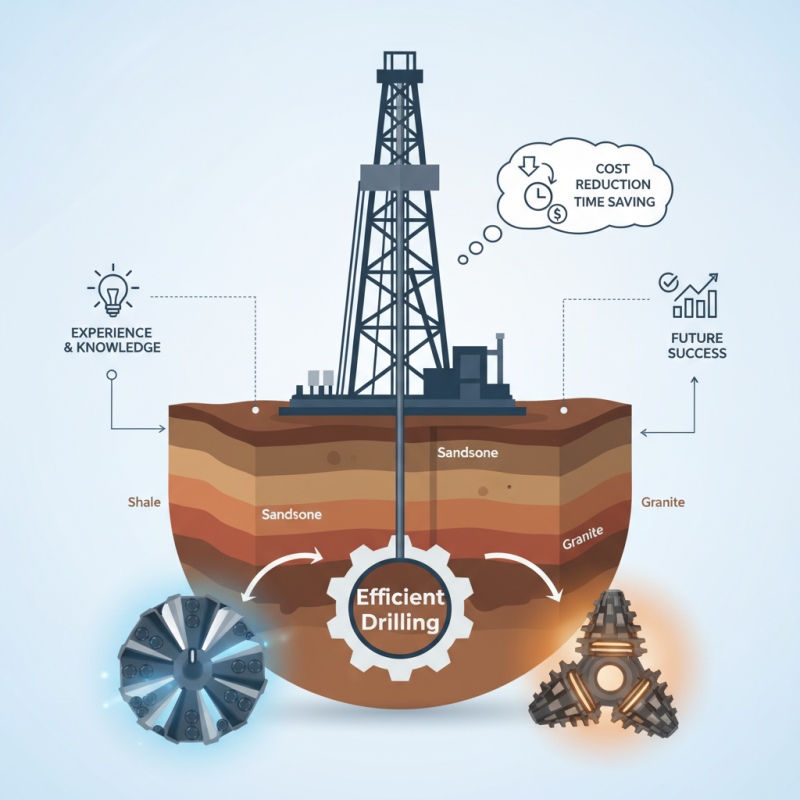
Best Rock Bit for Efficient Drilling Solutions?

Understanding Rock Bits: Types and Their Applications

When considering rock bits for efficient drilling, it's essential to understand the types available. Each rock bit serves a specific purpose, based on the geological conditions of the drilling site. For instance, tricone bits excel in soft formations, while PDC bits are ideal for hard rock. Choosing the right bit can significantly impact drilling efficiency and costs.

Tips: Always assess the rock formation before selecting a bit. Conducting a detailed analysis can prevent costly mistakes.

Drilling with the wrong type of bit can lead to poor performance. Some bits may wear out faster than expected. Monitoring the bit's wear can help optimize its lifespan. A proactive approach is better than dealing with issues later on.

Tips: Consider the drilling speed and the bit's material. This can affect your operational efficiency. Keeping a close eye on these factors is crucial.

Best Rock Bit Types and Their Applications

Key Features of Efficient Rock Bits for Drilling

When selecting the best rock bit for efficient drilling, several key features come into play. The bit's material significantly impacts its performance. High-quality materials, like tungsten carbide, offer durability and resistance to wear, ensuring smooth drilling over extended periods. The design of the bit is equally important. Specific shapes and configurations, such as conical or flat faces, enhance penetration rates and minimize friction.

Another significant aspect is the bit's cooling capability. Efficient cooling prolongs the bit's life and helps maintain optimal performance. Proper fluid circulation aids in cooling, removing debris, and reducing overheating. Furthermore, the bit's weight and balance can alter the drilling speed and precision. Heavier bits might provide stability, but they can slow down the process if not designed properly.

While these features are essential, there can be challenges to consider. Not all bits perform well in every geological condition. Sometimes, users may need to experiment to find the ideal bit for specific rock formations. Data collection during drilling can be helpful, highlighting the strengths and weaknesses of different bits. Ultimately, the selection of a rock bit should be based on comprehensive research and real-world testing.

Comparative Analysis: PDC vs. Tricone Rock Bits

When comparing PDC and tricone rock bits, efficiency is a critical factor. PDC bits, known for their superior penetration rates, excel in softer formations. According to a 2022 industry report, PDC bits can achieve penetration rates up to 30% higher than tricone bits in similar conditions. This increased efficiency is primarily due to their ability to maintain a stable cutting action. However, PDC bits may face challenges in harder formations, where durability becomes a concern.

On the other hand, tricone bits are often preferred for their versatility. They can handle a wider range of geological conditions. A study from the International Association of Drilling Contractors highlighted that tricone bits successfully drilled through a varied formation mix with fewer failures. This adaptability can lead to increased operational time and cost-efficiency. Nevertheless, tricone bits generally have lower penetration rates compared to PDC bits. Selecting the right bit requires a careful assessment of specific drilling conditions and project goals.

Data shows that the choice between PDC and tricone bits can significantly impact overall drilling performance. Factors like rock hardness, formation stability, and even cost should not be overlooked. It's essential to consider these variables to optimize drilling efficiency. Decision-makers often find themselves weighing the benefits of speed versus reliability, which can lead to further reflection on long-term operational strategies.

Factors Influencing the Selection of Rock Bits

When choosing a rock bit for drilling, several crucial factors come into play. The geological formation is key. Different rock types, such as granite or sandstone, require specific bits for optimal performance. For instance, studies show that using the wrong bit can reduce drilling efficiency by up to 30%. Understanding the formation can lead to better decision-making.

Bit geometry is another important factor. The design influences penetration rates and bit life. A well-designed bit can significantly improve drilling speeds. According to the Society of Petroleum Engineers, an efficient rock bit can enhance penetration rates by 25% in certain formations. However, many operators overlook this, leading to unexpected downtime and losses.

Cost considerations cannot be ignored. It's tempting to choose cheaper options, but this can be misleading. A lower upfront cost might not justify long-term inefficiencies and repair expenses. Investing in a reliable bit, while seemingly high-priced, can save money and time overall. Finding the balance between cost and performance is often a reflective process. Many operators find themselves re-evaluating their choices after facing unexpected challenges in the field.

Maintenance Tips for Prolonging Rock Bit Life and Efficiency

When it comes to prolonging the life and efficiency of rock bits, regular maintenance is crucial. According to industry reports, poor maintenance can reduce bit life by up to 50%. Ensuring optimal performance requires a consistent inspection schedule. Routine checks help identify wear patterns and damages early, preventing unexpected failures during drilling.

Here are a few essential tips. First, always clean the bit after each use. Dust and debris can accumulate, impairing performance. Second, monitor the drilling parameters closely. Overheating can diminish durability and effectiveness. Lastly, consider inspecting the rock formations ahead of drilling. Understanding the geological context can lead to better choice of bits.

Implementing these practices can significantly enhance the efficiency of drilling operations. Continuous education about bit technology is vital. Industry trends indicate that newer materials and coatings can offer improved lifespan, yet they require specific maintenance procedures. A thoughtful approach to care will yield better results.

Best Rock Bit for Efficient Drilling Solutions

Bit Type Material Application Lifespan (Hours) Maintenance Tips
Tricone Bit Steel Oil & Gas 250-400 Regular inspection for wear, proper lubrication.
PDC Bit Diamond Mining 300-600 Maintain optimal weight on bit, monitor torque.
Drag Bit Carbide Water Well 150-300 Minimize dragging, ensure steady drilling speed.
Auger Bit Steel Geothermal 200-350 Keep clean, check for bent components.

FAQS

: What factors should I consider when choosing a rock bit?

: Assess the geological conditions at the drilling site first. Consider rock type and hardness carefully.

Why is the material of the rock bit important?

Materials like tungsten carbide enhance durability and reduce wear. This ensures smoother drilling over time.

How can I optimize the lifespan of a rock bit?

Monitor the bit's wear regularly. A proactive approach prevents future issues and extends its usability.

What role does cooling play in drilling efficiency?

Efficient cooling helps maintain bit performance and prolongs its life. Proper fluid circulation aids in this.

Are PDC bits always better than tricone bits?

Not necessarily. PDC bits excel in softer rocks, but tricone bits handle various conditions effectively.

What are some challenges of using rock bits?

Each bit may not perform well in every geological condition, requiring experimentation and data analysis.

How does bit weight affect drilling?

Heavier bits provide stability but may slow down the drilling speed if not properly balanced.

Can drilling speed and bit design impact efficiency?

Yes, the design shape and the bit's material can directly influence drilling speed and overall efficiency.

How can data be useful during drilling?

Collecting data highlights the strengths and weaknesses of bits. This information is critical for improving future selections.

Should past experiences influence my bit selection?

Absolutely. Reflexive practice and previous data can guide better decisions for current and future drilling projects.

Conclusion

The article "Best Rock Bit for Efficient Drilling Solutions?" explores the essential aspects of rock bits used in drilling operations, highlighting the various types and their specific applications. It delves into key features that define efficient rock bits, such as their durability, cutting efficiency, and adaptability to different geological conditions. A comparative analysis of PDC (Polycrystalline Diamond Compact) and tricone rock bits is presented, outlining the advantages and limitations of each type, which helps in understanding their suitable contexts.

Moreover, the article discusses several critical factors that influence the selection of rock bits, including geological characteristics and operational parameters, ensuring that the right choice is made for effective drilling. Lastly, practical maintenance tips are provided to extend the lifespan and efficiency of rock bits, emphasizing proactive care to optimize performance in demanding drilling scenarios. Overall, understanding these elements is crucial for selecting the best rock bit to meet specific drilling needs.

Aria

Aria

Aria is a dedicated marketing professional with a deep passion for innovative strategies and a keen understanding of our company's product offerings. With a wealth of experience in the industry, Aria excels at crafting engaging content that highlights the unique features and benefits of our......