As the demand for advanced construction techniques grows, the market for Rock Drilling Machines is evolving rapidly. In 2026, global buyers will encounter innovative trends that redefine efficiency and productivity. These machines are essential for various applications, including mining, tunneling, and geological exploration.
Recent advancements have focused on automation and precision. New technologies are making Rock Drilling Machines more user-friendly and effective. However, navigating these choices can be challenging for buyers. It’s crucial to understand the specifications and how they align with project needs. There's often confusion about the best options in a crowded market.
Buyers must consider factors like durability, maintenance, and performance. Trends indicate increasing sustainability in manufacturing processes. Nonetheless, there are areas where improvements are necessary. The impact on the environment and user safety remains a priority. Addressing these concerns will be vital as the industry moves forward, and understanding these trends is key to making informed decisions.
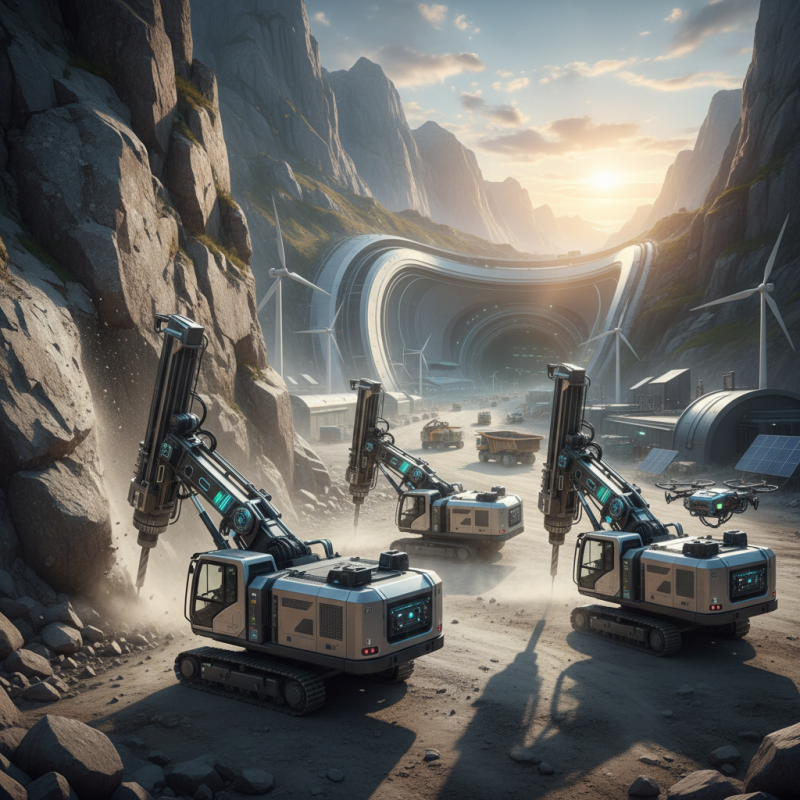
As the rock drilling industry evolves, buyers should be aware of the key features emerging in advanced machines for 2026. One major trend is increased automation. Modern drilling machines now come with advanced control systems that reduce human error. This enhances precision and efficiency on construction sites. Efficient sensors monitor performance metrics in real time, a feature proving invaluable for project managers.
Another important feature is portability. Drilling machines are becoming lighter and easier to transport. This mobility allows for quick setup and operation in various terrains. Compact designs do not compromise power, which is crucial for challenging drilling conditions. Buyers should look for machines that balance size with robust operation capabilities.
**Tips:** Test the equipment under real conditions before purchasing. This will help you gauge performance and suitability. Additionally, assess the after-sales support and training options provided by suppliers. A good partnership with the manufacturer can significantly enhance operational longevity and efficiency. Always consider your specific drilling needs; one size does not fit all.
The global rock drilling machine market is experiencing significant shifts due to evolving demand and supply dynamics. According to a recent market report, the demand for rock drilling machines is projected to grow at a compound annual growth rate (CAGR) of 5.5% through 2026. This growth is closely tied to increasing construction and mining activities worldwide.
As urbanization accelerates, the need for efficient drilling solutions rises. Regions such as Asia-Pacific are leading this trend, accounting for over 40% of the market share. However, supply chain challenges persist. Suppliers face pressure from material costs and shipping delays, potentially impacting availability. This scenario raises concerns regarding pricing strategies and market competitiveness.
Innovation plays a crucial role here. While manufacturers strive to enhance performance, there are unresolved issues related to environmental compliance. The integration of sustainable practices is still not universal. Companies must address these gaps to maintain credibility. Failure to adapt may weaken their market position as eco-conscious buyers become more prevalent.
This chart illustrates the projected trends in demand and supply of rock drilling machines globally from 2023 to 2026. The data indicates an increasing demand for rock drilling machines, with supply gradually catching up, showcasing a positive outlook for the market in the coming years.
In 2026, the rock drilling machine sector is witnessing transformative advancements. One significant trend is the integration of smart technology. Sensors and IoT capabilities are enabling real-time data collection. This technology helps to monitor drilling conditions and optimize operations continuously.
Another important aspect is the push for sustainability. Many manufacturers are exploring eco-friendly materials. Drilling machines are becoming more energy-efficient, reducing their environmental impact. Furthermore, automation is reshaping labor dynamics. While machines are getting smarter, skill demands for operators are shifting. This creates new challenges for workforce training.
Despite these innovations, there are concerns about reliability. As technology evolves, it’s essential to ensure that new systems function under various conditions. The initial costs of implementing these advanced technologies can also be daunting. Buyers need to weigh these factors carefully when considering upgrades to their machinery.
Sustainability has become a central focus in rock drilling practices. As the world shifts toward greener solutions, companies are reevaluating their operational methods. Many are adopting electric-powered drilling machines to minimize emissions. This transition not only reduces the carbon footprint but also curtails noise pollution on job sites.
However, integrating sustainable practices isn't without challenges. Some companies struggle to invest in new technology due to high initial costs. Moreover, the availability of resources for the sustainable machines can be inconsistent, leading to project delays. Additionally, while operators are eager to embrace eco-friendly methods, they often lack sufficient training in using advanced, sustainable equipment.
Investing in recycling and waste reduction strategies can show notable improvements. Innovative companies are experimenting with by-products from drilling to create secondary materials. These practices can significantly contribute to resource conservation. Educating teams about sustainability ensures a smoother transition. Achieving true sustainability in rock drilling is a work in progress.
The landscape of rock drilling equipment is evolving significantly. Cost efficiency is becoming a top priority. According to a recent report from the International Mining Association, companies can save up to 30% on operational costs by implementing modern drilling technologies. These machines are designed to optimize performance while reducing energy consumption.
When choosing rock drilling equipment, buyers must focus on ROI. The latest data shows that modern machines yield returns of approximately 25% higher than their predecessors. Operators can complete projects faster, which also adds to their profitability. However, it’s crucial to consider the initial investment carefully. There are instances where cheaper options lead to increased long-term costs due to inefficiency.
**Tip:** Always perform a cost-benefit analysis before purchasing. Evaluate the lifetime operational costs versus upfront expenses.
As new technologies emerge, staying informed is key. Many companies hesitate to upgrade due to perceived risks in training and adaptation. This hesitation can lead to missed opportunities. Investing in training can enhance productivity and utilization of advanced machines.
**Tip:** Use pilot programs to test new equipment before full-scale implementation. This approach can provide insights without significant risk.
| Trend | Key Features | Cost Efficiency (%) | Return on Investment (Years) |
|---|---|---|---|
| Automation and Smart Technology | Automated drilling, remote monitoring | 30% | 2-3 Years |
| Fuel Efficiency | Hybrid systems, alternative fuel options | 25% | 2-4 Years |
| Enhanced Safety Features | Advanced monitoring systems, automatic shut-off | 20% | 3-5 Years |
| Modular Design | Customization and adaptability for various conditions | 15% | 3-6 Years |
| Data Analytics | Real-time data analysis for operational efficiency | 20% | 2-4 Years |
: The market is expected to grow at a CAGR of 5.5% through 2026.
The Asia-Pacific region accounts for over 40% of the market share.
Suppliers struggle with material costs and shipping delays, affecting availability.
Innovation enhances performance and addresses environmental compliance concerns.
Smart technology allows real-time data collection to optimize drilling operations.
Many are exploring eco-friendly materials and creating energy-efficient machinery.
Automation creates a shift in skill demands, requiring new workforce training.
It's vital to ensure new systems function well under various conditions.
Buyers need to assess initial costs and the benefits of advanced technologies.
No, the integration of sustainable practices is still not universal across companies.
The article "2026 Top Rock Drilling Machine Trends for Global Buyers" explores key developments in rock drilling technology, emphasizing the features that enhance performance and efficiency. As the demand for reliable and advanced rock drilling machines continues to grow, the market analysis reveals shifting trends in global supply and demand dynamics. The piece highlights innovative technologies that are set to transform rock drilling operations, including automation and remote monitoring, which boost productivity and safety.
Moreover, sustainability practices are increasingly influencing the industry, with a focus on eco-friendly solutions that reduce environmental impact. Buyers are also urged to consider cost efficiency and the return on investment (ROI) of modern rock drilling equipment, as these factors play a crucial role in decision-making for procurement. This comprehensive overview serves as a guide for global buyers looking to stay ahead in the evolving landscape of rock drilling machines in 2026.

KAT DRILLING